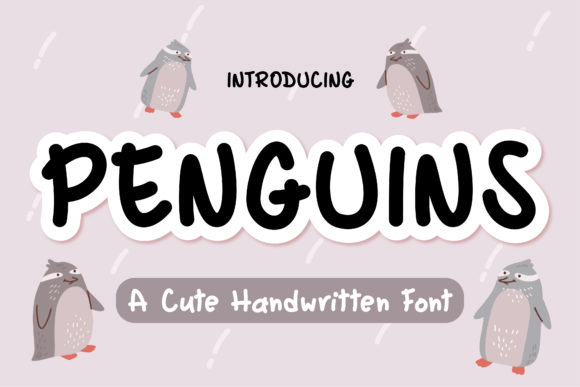
Penguins Font: A Creative Tool for Marketers
The Penguins font is a versatile handwritten typeface that brings a personal and artistic touch to digital design. Its natural flow and expressive strokes make it ideal for creating engaging visuals that stand out in crowded online spaces. As a script amp font, Penguins offers a unique blend of flexibility and charm, perfect for marketers looking to enhance their brand's visual identity.
Designed with a casual yet refined aesthetic, Penguins adds a sense of warmth and approachability to any project. Whether used in social media graphics, email campaigns, or website banners, this font helps convey personality and creativity without sacrificing clarity. Its handwritten style makes it particularly effective for content that aims to connect with audiences on an emotional level.
Using Penguins in Social Media Graphics
Social media platforms thrive on visually striking content, and Penguins can be a powerful asset in crafting eye-catching posts. For Instagram stories, Pinterest pins, or YouTube thumbnails, the font’s organic shape adds a handcrafted feel that feels more authentic than rigid typefaces. When paired with bold colors or minimal backgrounds, Penguins becomes a focal point that draws attention and encourages engagement.
For example, a sale announcement using Penguins as the headline can create a sense of urgency while maintaining a friendly tone. The font’s fluidity makes it ideal for short, impactful messages that resonate with fast-moving audiences. It also works well for promotional banners, where readability and visual appeal are equally important.
Enhancing Brand Recognition and Visual Consistency
Consistency is key in building brand recognition, and Penguins can help establish a cohesive visual language across multiple platforms. By incorporating this font into logos, headers, and promotional materials, brands can maintain a unified look that reinforces their identity. The font’s versatility allows it to adapt to different design contexts while still retaining its distinct character.
When used in combination with other design elements like icons, gradients, or illustrations, Penguins enhances the overall aesthetic without overwhelming the viewer. This balance is essential for maintaining a professional yet approachable brand image, especially in industries where trust and authenticity matter.
Applying Penguins in Digital Campaigns
In digital advertising, first impressions are crucial. Penguins can be used in ad copy, landing pages, and email subject lines to capture attention and communicate a message effectively. Its readability on mobile screens makes it suitable for small text areas, such as app interfaces, buttons, or callout boxes.
For instance, a webinar banner using Penguins as the main title can immediately signal creativity and energy, encouraging users to click and learn more. Similarly, a branded template for a content series can use Penguins for section headings, making the material more visually engaging and easier to navigate.
Pairing Penguins with Other Fonts
To maximize the impact of Penguins, consider pairing it with complementary fonts that enhance its strengths. A clean sans serif font like Helvetica or Arial can serve as a strong contrast for body text, ensuring readability without clashing with the script style. For editorial designs or packaging, combining Penguins with a serif font like Georgia or Garamond can add a timeless and sophisticated feel.
Font pairing is not just about aesthetics—it’s about functionality. By balancing the elegance of Penguins with the clarity of other typefaces, designers can create layouts that are both beautiful and easy to read. This approach is especially useful for marketing materials that require a mix of headlines, subheadings, and detailed information.
Best Practices for Readability and Mobile Optimization
While Penguins is visually appealing, its legibility should not be overlooked. On smaller screens or in low-resolution previews, the font’s curves and flourishes may become less clear. To ensure optimal readability, use Penguins for short text, headlines, or decorative accents rather than long paragraphs.
When designing for mobile devices, keep text size and spacing in mind. Larger font sizes and adequate line spacing help maintain clarity, even when the font’s details are slightly compressed. This is especially important for social media thumbnails, where the text must be instantly recognizable at a glance.
Real-World Applications of Penguins
Marketers can leverage Penguins in a variety of real-world scenarios. For a product teaser, using the font in a bold headline can generate curiosity and anticipation. In a seasonal promotion, Penguins can add a playful or elegant touch to holiday-themed graphics, depending on the brand’s tone.
Personal branding efforts also benefit from Penguins, as it can be used in portfolio websites, business cards, or LinkedIn profiles to reflect a creative and individualistic identity. For online shops, the font can elevate product titles or taglines, making them more memorable and visually appealing.
Considerations for Commercial Use
Before using Penguins in commercial projects, it’s essential to review the licensing terms. Depending on the provider, the font may require a separate license for use in ads, client work, merchandise, or digital products. Ensuring compliance with these terms protects both the designer and the end user.
As a premium font, Penguins offers value beyond its aesthetic appeal. Its ability to enhance visual storytelling, support brand consistency, and engage audiences makes it a valuable addition to any designer’s toolkit. Whether used in social media, web design, or print materials, Penguins provides a fresh and dynamic way to express creativity through typography.
With its unique blend of style and practicality, Penguins is more than just a font—it’s a strategic design element that can elevate marketing efforts and strengthen audience connections. By understanding its strengths and limitations, marketers and designers can harness its full potential in a wide range of digital applications.